Showing posts with label U2. Show all posts

April 24, 2009

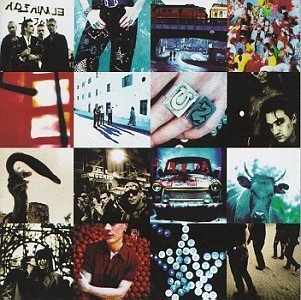
"The Unforgettable Fire"

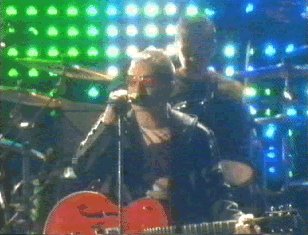
I thought this sounded so epic, classic, and cinematic "back in the day." It still sounds classic. I didn't get to see them on the Achtung Baby or The Joshua Tree tours, but I did see them when they swung through Houston during the Unforgettable Fire tour. They were awesome - I did a review of it for my high school newspaper. And I think this was the coolest hairstyle Bono has had. What is that? A mullet? Anyway, a high school classmate recently told me she is reminded of me when she hears this now, which is extremely touching, so here...."Ice - you're only rivers run cold...":


January 19, 2009

"Get on Your Boots"

Here is "Get on Your Boots," the first single from U2's March release, No Line on the Horizon. Upon the first few listenings, I quite like it, but I can't help but be reminded of The Escape Club.


March 15, 2008

"Under My Skin." Again.

Many people have heard Frank Sinatra's "duet" (it's actually just Bono singing along with the recording Sinatra did first) with Bono of U2 on the Duets (1993) version of "I've Got You Under My Skin." Far fewer have heard it without Bono's half. Here is the song with just 77-year old Frank, no doubt wondering (as quotes of the Chairman at the time confirm) why exactly he was recording it again again:


the released version (with Bone-o)

June 7, 2007

"Night and Day"


From Sinatra! the Song is You: A Singer's Art by Will Friedwald:

(Cole) Porter wrote "Night and Day" in 1932 as a vehicle for Fred Astaire in the Broadway musical Gay Divorce. When the show became the basis for Astaire's first starring film, The Gay Divorcée (RKO, 1934), "Night and Day" became the sole song from the original score to be retained in the picture. It's not too much of an exaggeration to say that "Night and Day" represents the centerpiece of both Astaire's and Porter's movie careers.

Astaire and Ginger Rogers in The Gay Divorcée

The song itself appeared in at least four other films (including a wartime short with Dinah Shore warbling special anti-Axis lyrics), not the last of which (if inarguably the least) was Night and Day, Warner Bros.' ludicrous Porter biopic in 1946. (p. 43)


Concerning the importance of the song to Frank Sinatra's career, Friedwald writes:
Sinatra's personal association with "Night and Day" goes back years before he first recorded it in 1942 and even before the singer himself was "discovered" in 1939 by Harry James...Around 1937 or 1938, Sinatra was singing with a "club-date" style septet at the Rustic Cabin, a roadhouse near Englewood Cliffs, New Jersey. The trumpet player, named Johnny Bucini, said to Sinatra, "Do you know who's sitting out there?" Sinatra said, "Yeah, I know that face. It's Cole Porter!" (p. 44)
Sinatra then proceeded to make a big deal about Porter being in the audience, causing the legendary songwriter to get up and take a bow. Sinatra directed the band to play "Night and Day," and the 22-year-old crooner did the first four bars and forgot all the rest of the words. The story goes that he then simply repeated "Night and day, night and day" for fifteen bars.

Whether it was to prove he could actually do the song as written, or simply because he really liked it, Sinatra recorded "Night and Day" five times during his nearly seven decade career. I've brutally mashed four different parts from four of his studio recorded versions of "Night and Days" together. Because it's not arranged chronologically, let me describe each part:

  • first bit is from the deadly serious interpretation done for 1962's Sinatra and Strings (considered to be the best version), then
  • the breezy, front parlouresque version he did as boy singer for Tommy Dorsey's big band in 1942
  • the swingin' 1956 recording off of A Swingin' Affair! (arranged nearly identically to "I've Got You Under My Skin" off of the preceding Songs for Swingin' Lovers album)
  • finally, his earnest 1947 Columbia Records take.

    The fifth version was recorded in 1977 when Sinatra recorded vocal tracks of "Night and Day" and "All or Nothing at All" on top of disco orchestral backings. I've never heard it, but apparently it was released as a single.

    "Night and Day" mix


    Steve Lawrence did an uptempo version in 1960. The guy must have had some major cojones to record this as a relative unknown at the height of Sinatra's fame and power. Sinatra always seemed to like Steve Lawrence, and maybe one reason why is he respected him for having done it. I think it also was a relief to Sinatra that in the era of Elvis, younger singers were still recording his style of music.

    U2 updated "Night and Day" in 1990 on the Cole Porter tribute album, Red Hot + Blue. I have to believe Bono had never heard any of Sinatra's versions when he sang it. Otherwise, like for Steve Lawrence, it would have been a little nerve wracking to record something so closely associated with another singer, especially a legend such as Frank Sinatra. Here is the video U2 made for the single (note: Red Hot + Blue was an AIDS charity album, hence the band members' dour expressions):


    In 1982, English musician/singer-songwriter Joe Jackson named his fifth album for the song. He titled an album released in 2000, Night and Day II. Neither album has a version of the Cole Porter tune. Jackson was most likely attempting to put the record buyer in the mind of the aesthetic and style of the Cole Porter/Art Deco era. He had been categorized as "punk rock" up until Night and Day, so along with the album's cover, use of the title perhaps signified his musical style-shift to a more adult-oriented sound.

    Night and Day
  • May 2, 2007

    "Two Shots of Happy, One Shot of Sad"

    "Two Shots of Happy, One Shot of Sad" is a song Bono and The Edge of U2 wrote during the group's Zooropa ('92-'93) tour. It was written with Frank Sinatra in mind, and it was Bono's attempt to compose in the style of Sammy Cahn/Jimmy Van Heusen, Cole Porter, Johnny Mercer, etc., etc. Bono had hoped the aging crooner would record it, and he made several attempts to get Sinatra to at least hear it.

    November 22/23, 1993 single

    Sinatra never did record again after the Duets albums (although daughter Nancy recorded a version of "Two Shots of Happy, One Shot of Sad" for her 2004 Nancy Sinatra album), but it was during the filming of the video for the Bono/Sintra duet of "I've Got You Under My Skin" that Bono's final opportunity to "sell" the song arrived. The elderly Sinatra reportedly became extremely disoriented, and consequently, agitated, during the making of the video and made an abrupt exit. According to Bill Flanagan's U2: At the End of the World:

    "Bono gets a call from Barbara (Sinatra's wife) apologizing for Frank's hasty exit and inviting him over to the house that evening. Bono says sure, and he arrives to a night of whiskey drinking and storytelling with Sinatra and about six of his pals (oh, to have been a fly on the wall!!). Frank seems fine now, and completely in his element. Eventually Bono proposes a toast, stands up, raises his glass--and sings "Two Shots of Happy" for Frank and his cronies. Sinatra smiles as he listens. Bono decides that's going to have to be good enough (p. 399)."

    Here are Bono and The Edge performing it in 1995, via satellite, on the televised, Sinatra, 80th birthday celebration (Sinatra: 80 Years My Way):

    November 9, 2006

    "Where the Streets Have No Name"

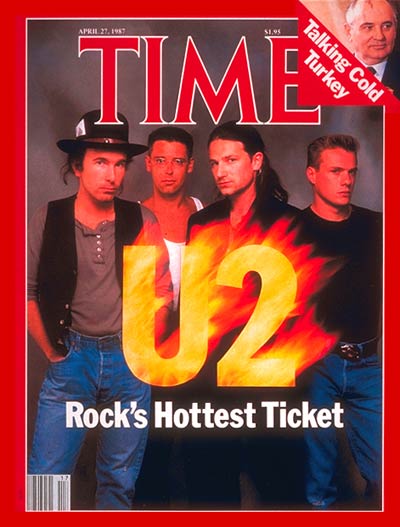
    Without a doubt, U2 was the greatest rock and roll band in the world in 1987. I simply can't believe it's been nearly twenty years....Is that possible? '87 was the year the group released their greatest album, The Joshua Tree. A month after its release, they appeared on the cover of Time, which was a big deal back then:
    U2 ended that watershed year with the final two shows of the third leg of their North American tour at Sun Devil Stadium, in Tempe, Arizona, on December 19, 1987.

    This was when a U2 concert was something just barely short of a religious experience. The opening song on the play list for the tour was "Where the Streets Have No Name," which we discovered this week was Tony Blair's favorite U2 song. Here is their performance of it at Sun Devil Stadium, as documented in 1988's Rattle and Hum:


    June 26, 2006

    "Gone"

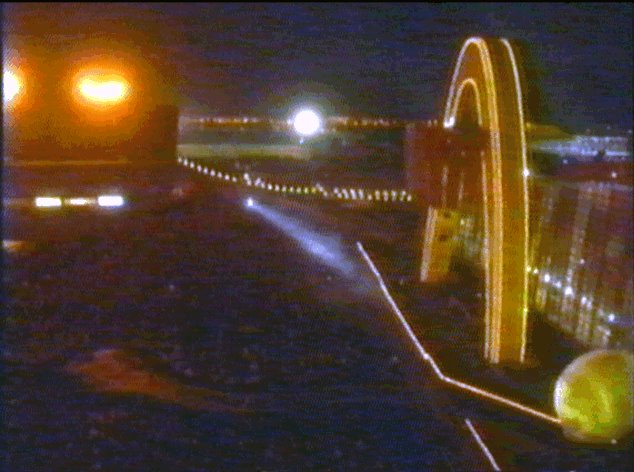
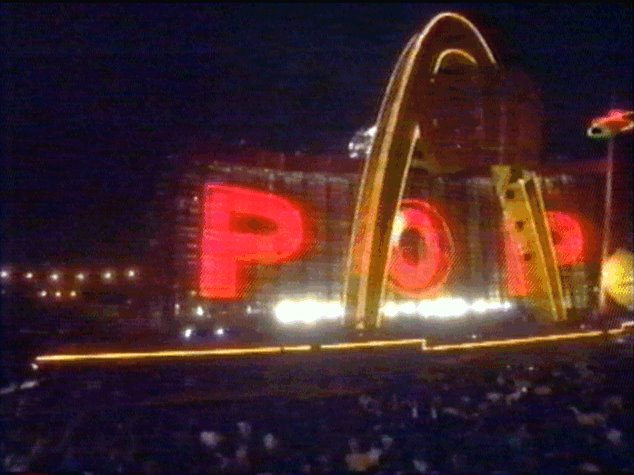
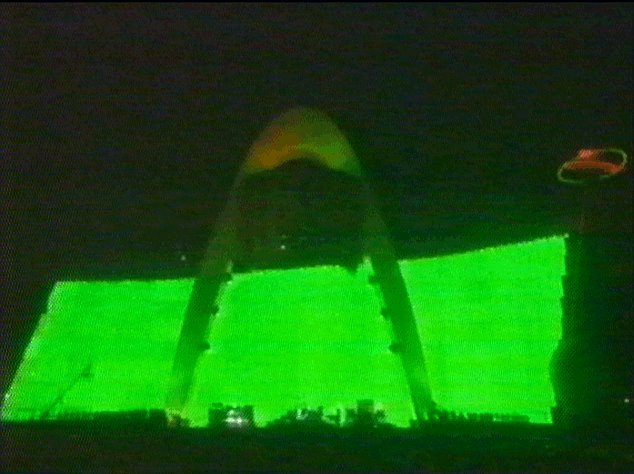
    Popmart Tour, North America (third leg), Mexico City, December 3, 1997

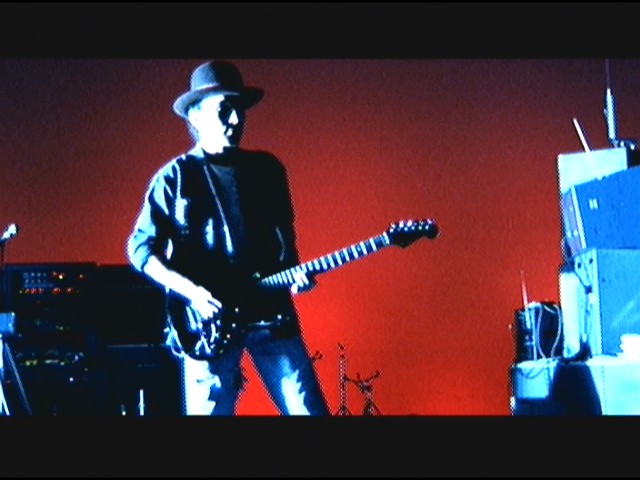
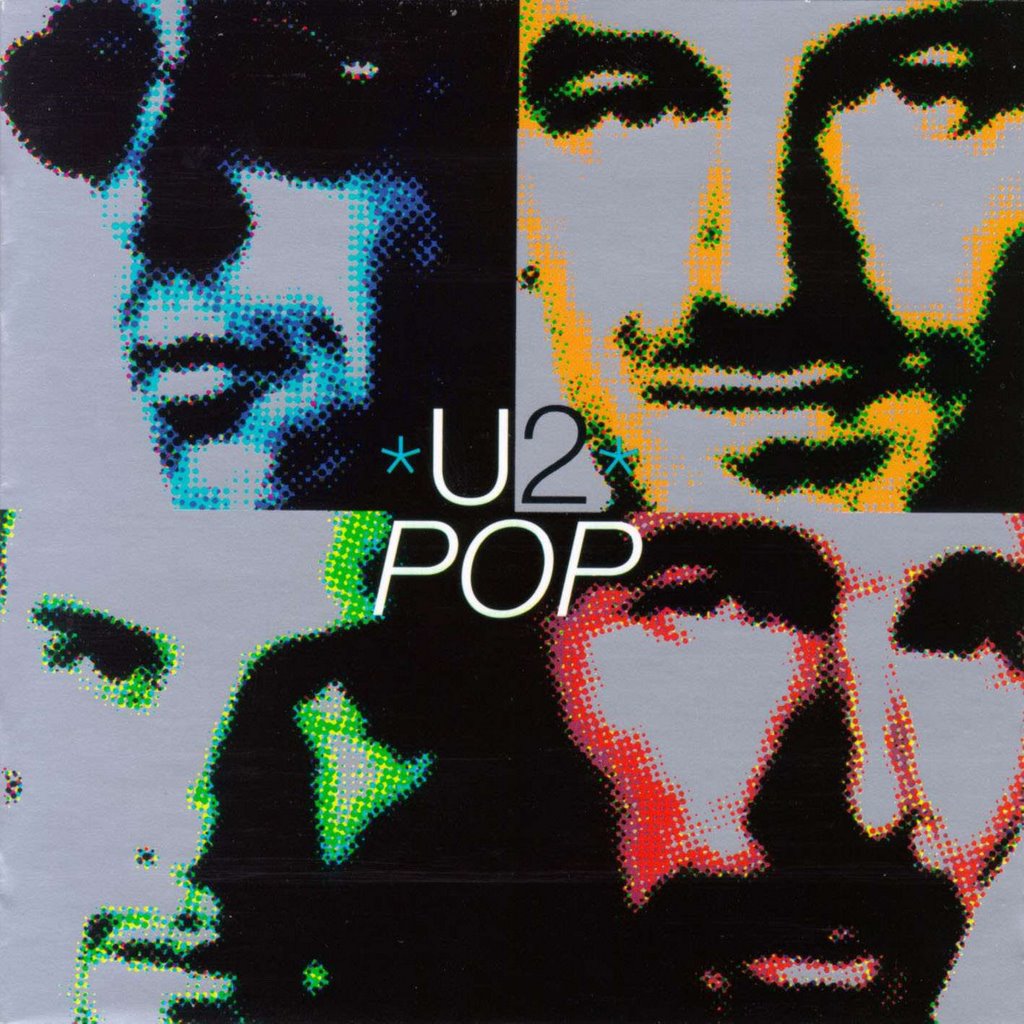
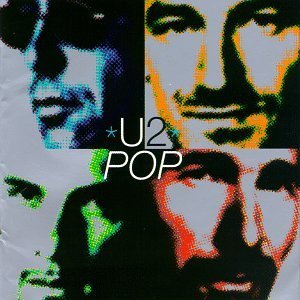
    Here they are doing "Gone," one of the best songs off of Pop. This is from a program MTV aired called U2: PopMart Live from Mexico City that I taped. It was simulcast live:


    I liked Houston Chronicle reporter Michael D. Clark's analyses of U2's body of work so much, I did a post about it. Concerning Pop, he said:

    After mining everything from rock to disco to synth, U2 didn't seem to know where to go next. "Discotheque" feels left over from Zooropa while "Staring at the Sun" is yet another tremendous ballad that fits better with Achtung Baby.


    I'd have to agree with that assessment. In hindsight, I like Pop a lot more. It's really the last album by the U2 I grew up knowing. It seemed like they were going through the motions a lot more by the time of the release of All That You Can't Leave Behind in 2000.


    October 27, 2005

    U2-the only band that matters?


    I'm a fan of U2, and have been at least since the days when they were considered to be a Christian rock band and often, mistakenly called U-2. A reporter for the Houston Chronicle, Michael D. Clark, has written an article to coincide with their Friday concert in Houston. Clark argues U2 is the only rock band to emerge since the 1980s that truly carries the torch passed on by earlier rock luminaries such as The Beatles, the Rolling Stones, the Beach Boys, Bob Dylan, and Stevie Wonder. I completely agree with him.

    His criteria for any artist or band to reach this level are: They all share three characteristics: These acts have been cited by subsequent generations of musicians as influences; their older work has remained relevant over time; and over these sustained periods of creativity, their fans always asked, "What's next?". These are the things R.E.M. and Prince have failed to do (yet had they, they'd also be, in my opinion, worthy of carrying the torch).

    He adds that U2 "has also replenished itself every few albums with sounds and themes that bely its history".

    Clark's article has a complete run-down of these albums, as he states "From A(chtung) to Z(ooropa)". The following are direct quotes from the article (not my words):
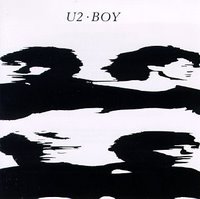
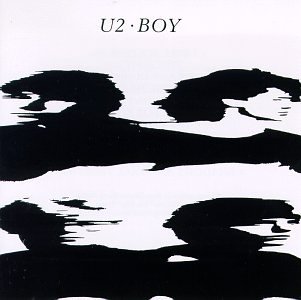
    Boy (1980): Produced by Steve Lillywhite (Peter Gabriel, Morrissey), the chorus to lead song "I Will Follow" (``If you walk away... I will follow'') became a prophetic metaphor for U2's aversion to trends and fans willingness to accept their experimentation.
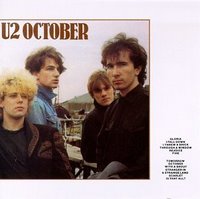
    October (1981) An album full of high ideas about war and religion that lacked radio appeal (with the exception of "Gloria"). U2's most culturally Irish album, even as the band made its initial club forays into the U.S.

    War (1983) Boy was a protest album by scared kids venting through music in their garage. War was a protest album by a budding rock 'n' roll band realizing for the first time that it had an international podium.
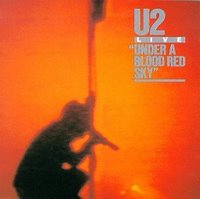
    Under a Blood Red Sky (1983) For those who missed the War tour, this eight-song-live sampler established U2 as the ultimate arena band. It also gave non-album track "Party Girl" a home.
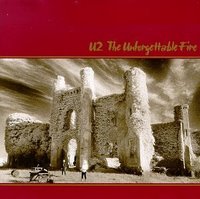
    The Unforgettable Fire (1984) U2 was ready for superstardom and producers Brian Eno and Daniel Lanois helped guide them there. Bono's lyrics take a nostalgic look at Americana on "Pride (In the Name of Love)", "4th of July" and "Elvis Presley and America".

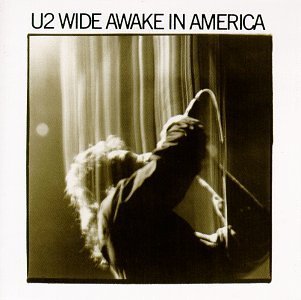
    Wide Awake In America (1985) This four-song EP proved that U2 B-sides like "Three Sunrises" and "Love Comes Tumbling" were superior to most other band's A-sides.
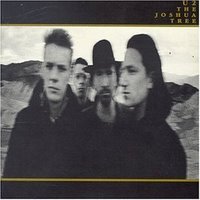
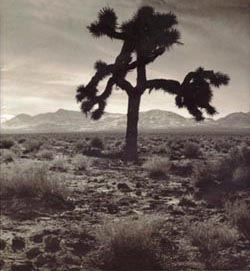
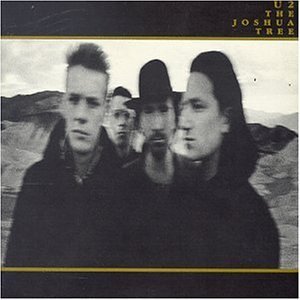
    The Joshua Tree (1987) One of the best rock 'n' roll albums ever made, nearly every track is single-worthy as it adheres to a dusty landscape visualized on the album cover. The band earned its first Grammy for this project including album of the year.
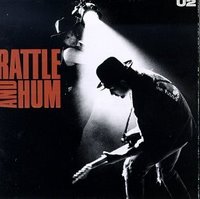
    Rattle and Hum (1988) A soundtrack from the band's journey through America, this is the first - and only time to date - where too much music made for a subpar U2 album.

    Achtung Baby (1991) The official launch of Phase II of U2's career, the band finds happiness in a warm credit card, hunkering down in the studio and coming out with a lush album of distorted guitars and layers of sound created by digital effects.

    Zooropa (1993) An EP that turned into an album, this separates U2's casual fans from the die-hards, though it features one of the group's greatest ballads in "Stay (Faraway, So Close)" and the only guest vocalist to ever appear on a U2 album, Johnny Cash on "The Wanderer".
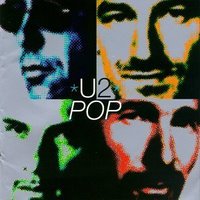
    Pop (1997) After mining everything from rock to disco to synth, U2 didn't seem to know where to go next. "Discotheque" feels left over from Zooropa while "Staring at the Sun" is yet another tremendous ballad that fits better with Achtung Baby.
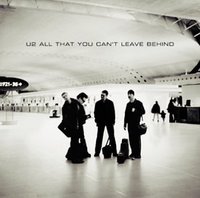
    All That You Can't Leave Behind (2000) The band rediscovers itself by taking a ``less is more'' approach and completely deconstructing its music. The start of U2's third and current phase, All That You Can't Leave Behind is the group's most rock-oriented record since The Joshua Tree.
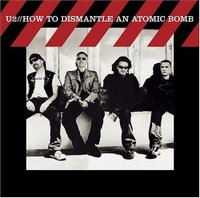
    How to Dismantle an Atomic Bomb (2004) A slightly bigger sound than All That You Can't Leave Behind, issues of time and an appreciation for family and life are at the core of songs like "Vertigo" and "Sometimes You Can't Make It on Your Own".