July 22, 2007

Howard Hughes in Las Vegas

from the University of Nevada, Las Vegas

I'm nearly halfway through Howard Hughes: His Life and Madness, supposedly the most thorough and accurate biography of Hughes. The film The Aviator was based upon it. So far, it's a fascinating read. The place I'm at is around 1953-54 when Hughes was beginning to spend more and more time in Las Vegas. I've never understood how someone like Hughes could enjoy being in a place like Vegas. According to authors Donald Barlett and James Steele:

Las Vegas held other charms for Hughes aside from a favorable tax structure. He liked the glamor and gaudiness of the town; he enjoyed prowling the city at night, cruising the casinos and hotels in search of attractive young women available for an evening's dalliance. (p. 189)

from the University of Nevada, Las Vegas

Okay, now I understand it. He wasn't completely crazy. Additionally, Hughes rented a five-room bungalow adjacent to the Desert Inn called the Green House:

The Green House was Hughe's main residence for about a year in 1953-54, but eventually...he abandoned plans to make Las Vegas the capital of his empire. Even so, he wanted the Green House in a state of readiness, and he gave detailed instructions for "sealing" it against the day of his return. "He wanted everything there beautifully preserved just the way it was,when he came back," recalled Nadine Henley. A Hughes employee secured the doors and windows with tape, then painted over the tape with a sealer. (p. 189)

from the University of Nevada, Las Vegas

Hughes never returned to the Green House, alothough he did continue to lease and later own it until his death. Two weeks after he died, officials of the Hughes organization opened the house and found a twenty-two-year-old time capsule. In addition to chairs, tables, divans, linen, half-used bars of soap, and other standard household furnishings, the Green House contained an electric Westinghouse refrigerator--still running--two newspapers dated October 13, 1953, and April 4, 1954, keys to Room 186 at the Flamingo Hotel and Room 401 at the Hotel Miramar, twin beds with soiled sheets, some Sahara casino gambling chips, eight telephones in five rooms, a letter from "Jane to Howard" dated December 5, 1952, a script titled "Son of Sinbad," two yachting caps, a 1953 appointment dairy believed to belong to Jean Peters, a box of Christmas decorations, and a fruit cake. (pp. 189, 190)

And I'm sure the fruit cake was still edible.

The pictures are from Welcome Home Howard, part of the University of Nevada's Special Digital Collections library. Check it out for a lot of great pictures, some rare, of Howard Hughes in his prime.

July 20, 2007

Baby's first lemon

I like the ones where one eye involuntarily closes:


Saloon song singer

I believe this is from Frank Sinatra's 1973 comeback special, Magnavox Presents Frank Sinatra (a.k.a. Frank Sinatra: Ol' Blue Eyes Is Back):


It's a nice medley of some of the saloon songs he'd recorded. The medley consists of:

  • "Last Night When We Were Young" - its verses are used as a musical link between the other two songs in the medley (recorded in 1954 for In the Wee Small Hours, then again in 1965 for September of My Years)
  • "Violets for Your Furs" (recorded in 1941 with Tommy Dorsey's big band and in 1953 on Songs for Young Lovers)
  • "Here's That Rainy Day" - it was used as the musical link holding together another saloon song medley from another TV special, 1968's Francis Albert Sinatra Does His Thing (it was done on the No One Cares album in 1959)

    Sinatra must have been happy with the medley as arranged, because he repeated it for an April 1974 performance at Carnegie Hall.

    The saloon song medley was a mainstay of the numerous television specials Sinatra did during his long career. Typically the medley was performed on a set, this one appropriately being a saloon. What's up with the plate of sandwiches and the bowl full of eggs on the bar?? I was a little distracted by that - I mean, there's Sinatra pouring himself into the medley, the camera angle changes, and we're peaking at the singer over a stack of sandwiches and a bowl of two dozen eggs.
  • July 19, 2007

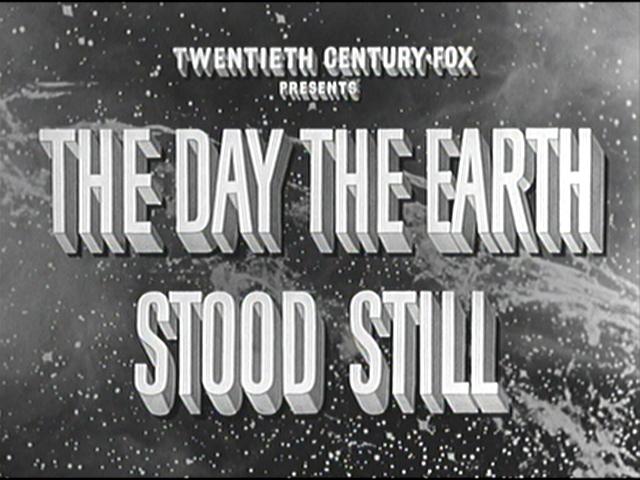
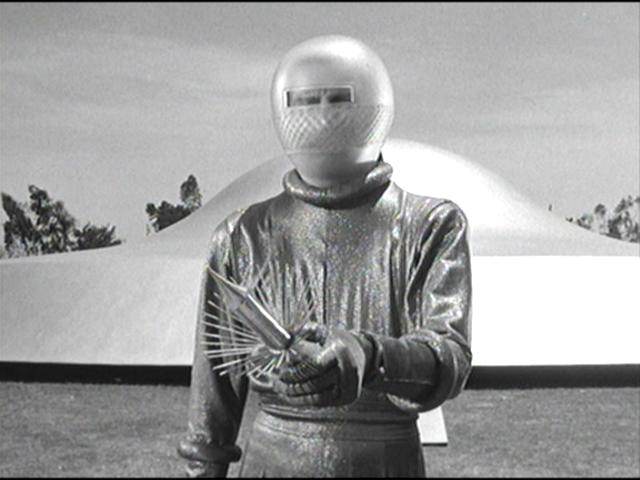
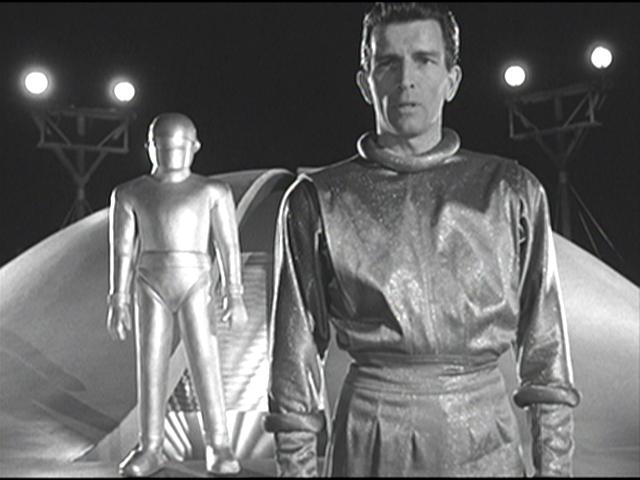
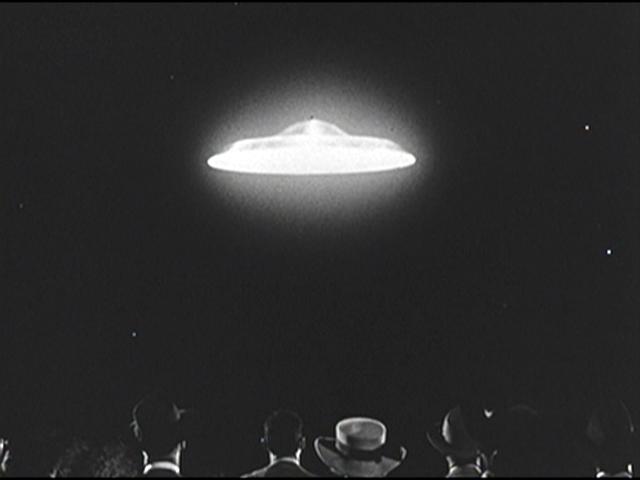
    The Day the Earth Stood Still

    From RetroGalaxy.com:

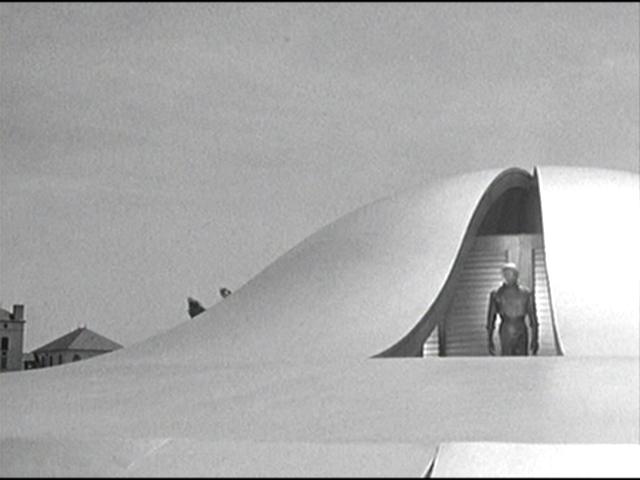
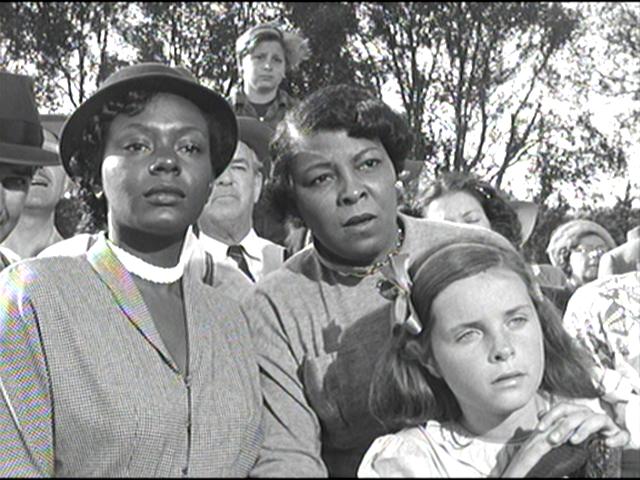
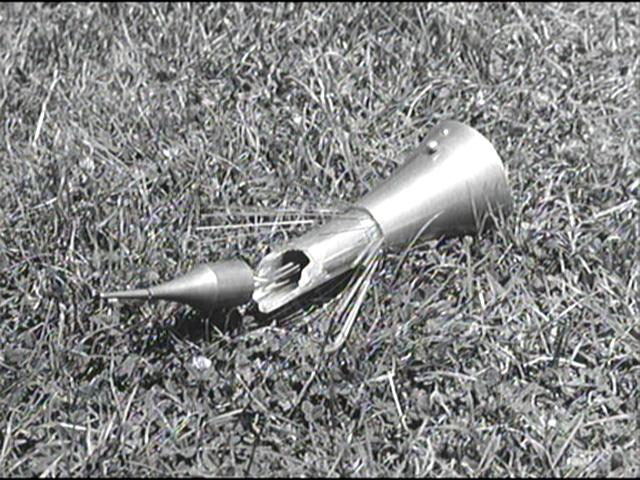
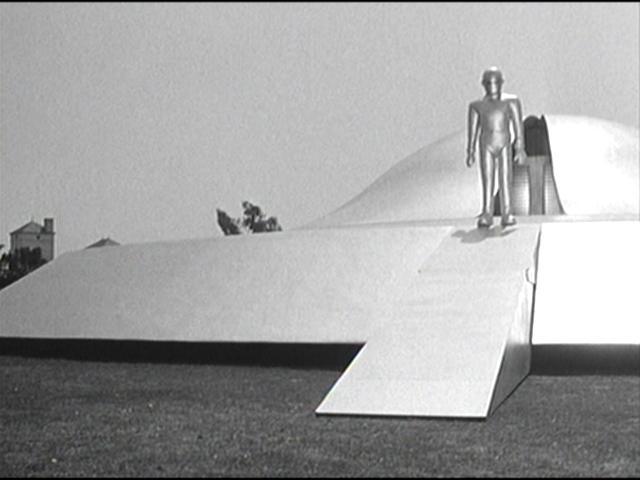
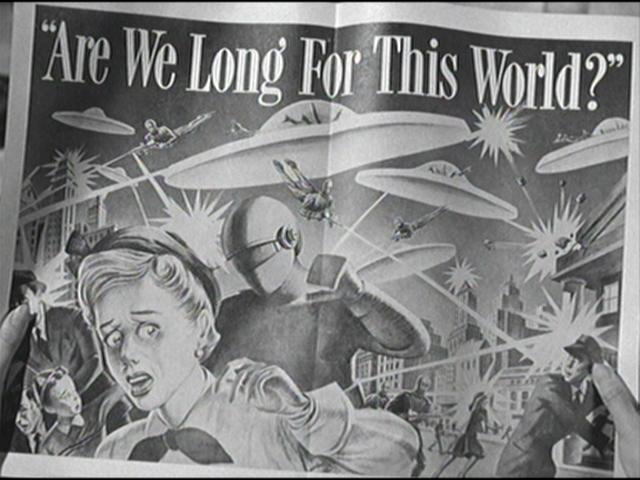
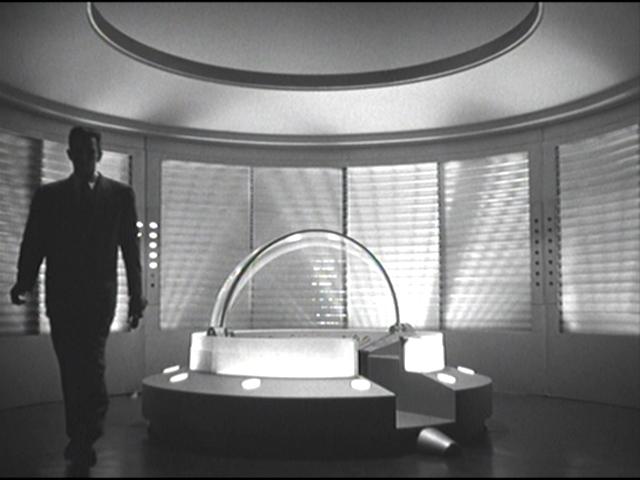
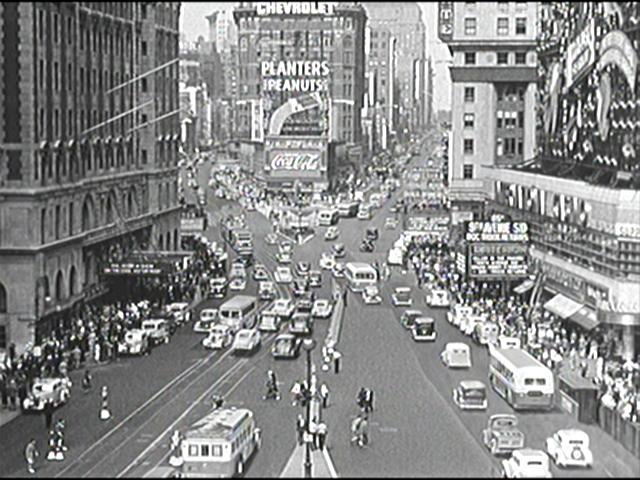
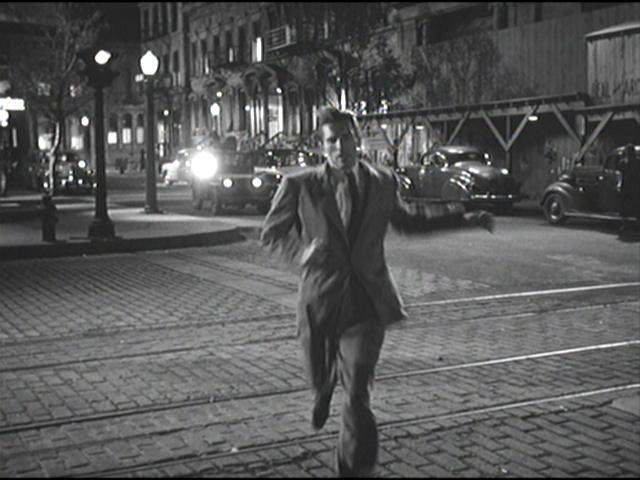
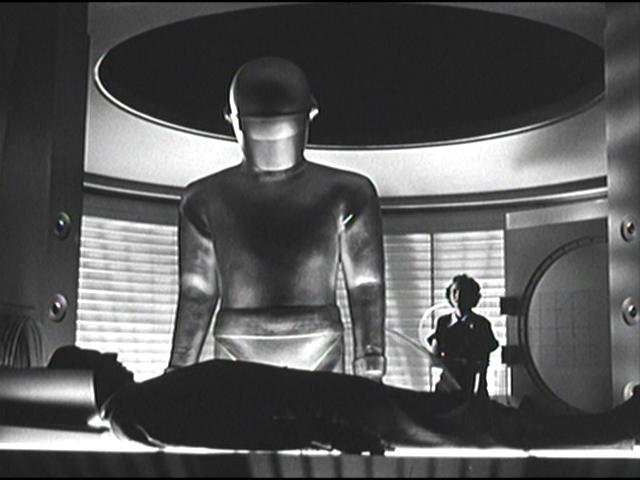
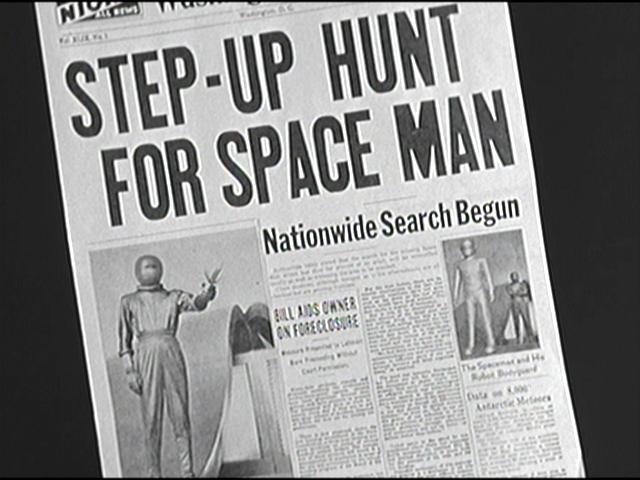
    The Day the Earth Stood Still is a 1951 science fiction film which tells the story of a humanoid spaceman who comes to Earth to convince its leaders to learn how to live in peace.

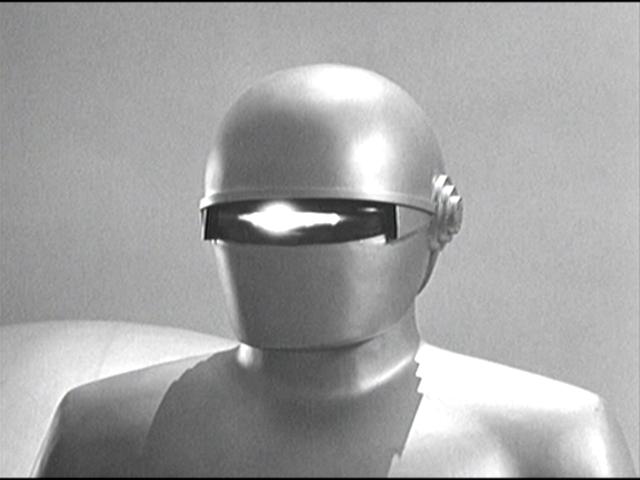
    The film has been selected for preservation in the United States National Film Registry. In spite of the undeniable cliches of the movie (a race of killer robots, a spaceman in a silver suit and a flying saucer etc.), its message of peace and dark outlook regarding human society separates it from the fray of 1950s science fiction and has made it a classic. Filmed in black & white with minimal, but effective special effects, the movie is a model of brisk, economical storytelling and direction.


    Of course, Ringo Starr paid tribute to The Day the Earth Stood Still on the cover of one of his better solo albums, Goodnight Vienna (1974).

    July 18, 2007

    "Creeque Alley"

    "Creeque Alley" was released in 1967 and tells the story of the formation of The Mamas & the Papas. It was a track on their third album, The Mamas and the Papas Deliver. There must have a moment (or maybe longer) when it was the hippest thing on the radio, at least on the West Coast.

    Quick - where are John Phillips' legs?

    It's sort of a family tree of the folkrock music scene (minus Zimmerman and others) in the 1960s, with lots of name dropping. Some of the references are fairly obvious if you have any knowledge of '60s rock history, but some are more...esoteric. Kudos to the late John Phillips (and Michelle!) for constructing it. He may have ended up a drugstore cowboy, but he had some serious songwriting skills in his prime. With the help of this very thorough analysis:
    "Creeque Alley"

    John and Mitchie were gettin' kind of itchy
    Just to leave the folk music behind
    Zal and Denny workin' for a penny
    Tryin' to get a fish on the line
    In a coffee house Sebastian sat
    And after every number they'd pass the hat
    McGuinn and McGuire just a-gettin' higher
    In L.A., you know where that's at
    And no one's gettin' fat except Mama Cass*

    *This is a reference to the fact that no-one was making any money out of playing folk music but Cass Elliot who, being on the large side, was not only "getting fat" but was also having success as a solo jazz singer in Washington DC. (source)

    Zallie said "Denny, you know there aren't many"
    "Who can sing a song the way that you do, let's go south"
    Denny said "Zallie, golly, don't you think that I wish"
    "I could play guitar like you"
    Zal, Denny and Sebastian sat (at the Night Owl)
    And after every number they'd pass the hat
    McGuinn and McGuire still a-gettin' higher
    In L.A., you know where that's at
    And no one's gettin' fat except Mama Cass

    When Cass was a sophomore, planned to go to Swarthmore
    But she changed her mind one day
    Standin' on the turnpike, thumb out to hitchhike
    "Take me to New York right away"
    When Denny met Cass he gave her love bumps
    Called John and Zal and that was the Mugwumps
    McGuinn and McGuire couldn't get no higher
    But that's what they were aimin' at
    And no one's gettin' fat except Mama Cass

    Mugwumps, high jumps, low slumps, big bumps
    Don't you work as hard as you play
    Make up, break up, everything is shake up
    Guess it had to be that way
    Sebastian and Zal formed the Spoonful
    Michelle, John, and Denny gettin' very tuneful
    McGuinn and McGuire just a-catchin' fire
    In L.A., you know where that's at
    And everybody's gettin' fat except Mama Cass
    Di-di-di-dit dit dit di-di-di-dit, who-o-oa

    Broke, busted, disgusted, agents can't be trusted
    And Mitchie wants to go to the sea
    Cass can't make it, she says we'll have to fake it
    We knew she'd come eventually
    Greasin' on American Express cards
    It's low rent, but keeping out the heat's hard
    Duffy's* good vibrations and our imaginations
    Can't go on indefinitely
    And California dreamin' is becomin' a reality

    *Duffy's is the name of the boarding house (on the Virgin Islands) owned by Hugh Duffy on Creeque Alley (pronounced Creaky Alley but actually spelt Creque's Alley).(source)

    This performance is either from Ed Sullivan's show or The Hollywood Palace, circa 1967. It may be lip-synced, but you can hear Michelle Phillips snicker at the beginning, and Denny Doherty audibly bumps his mic at the very end, so maybe not.

    July 17, 2007

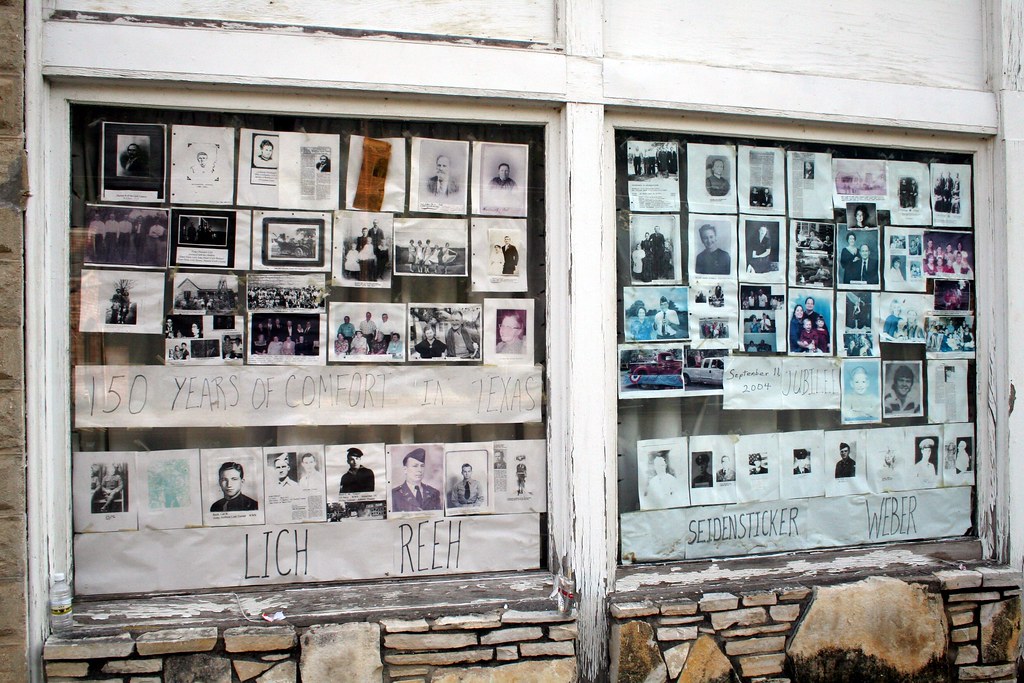
    150 Years of Comfort in Texas

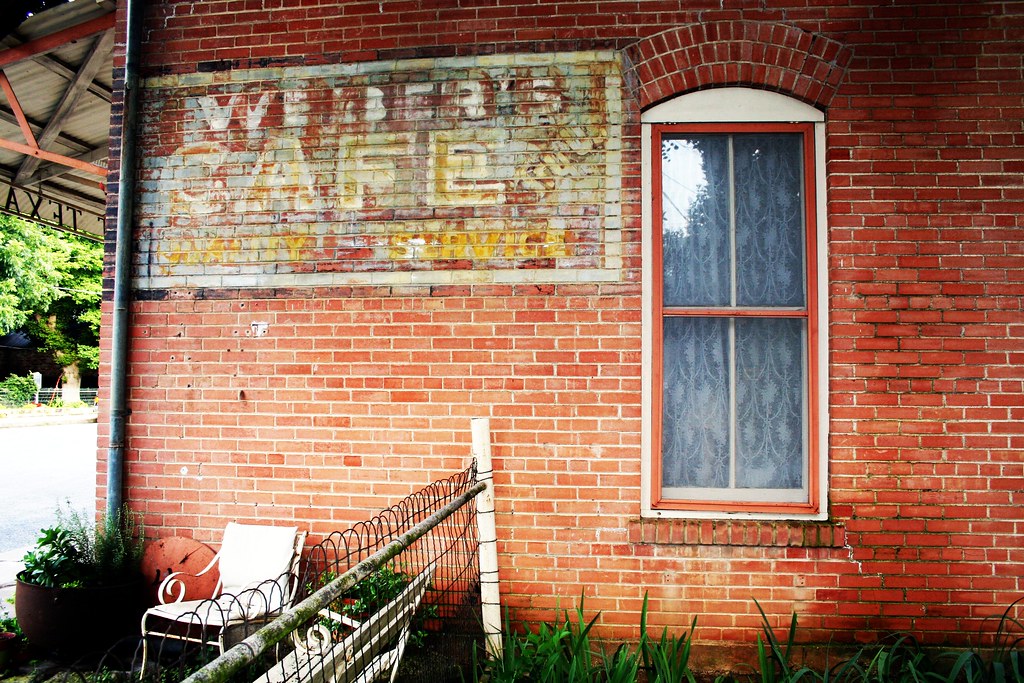
    Comfort, Texas (population: 2,358), is 52 miles NW of San Antonio, 89 miles SW of Austin, and 19 miles SE of Kerrville. "From an architectural viewpoint - Comfort is extremely rich. Nearly the entire downtown is on the National Register of Historic Places. Many rock buildings and businesses remain in a splendid state of preservation and did not have to go through the rigors of restoration. A good deal of Comfort's charm is in its relative tranquility compared to Fredericksburg and Boerne. Visit on Monday and you'll find nearly the entire town closed." - TexasEscapes.com

    Comfort was established in 1854 by German immigrants moving further west from New Braunfels. The German heritage is evident in the building names!

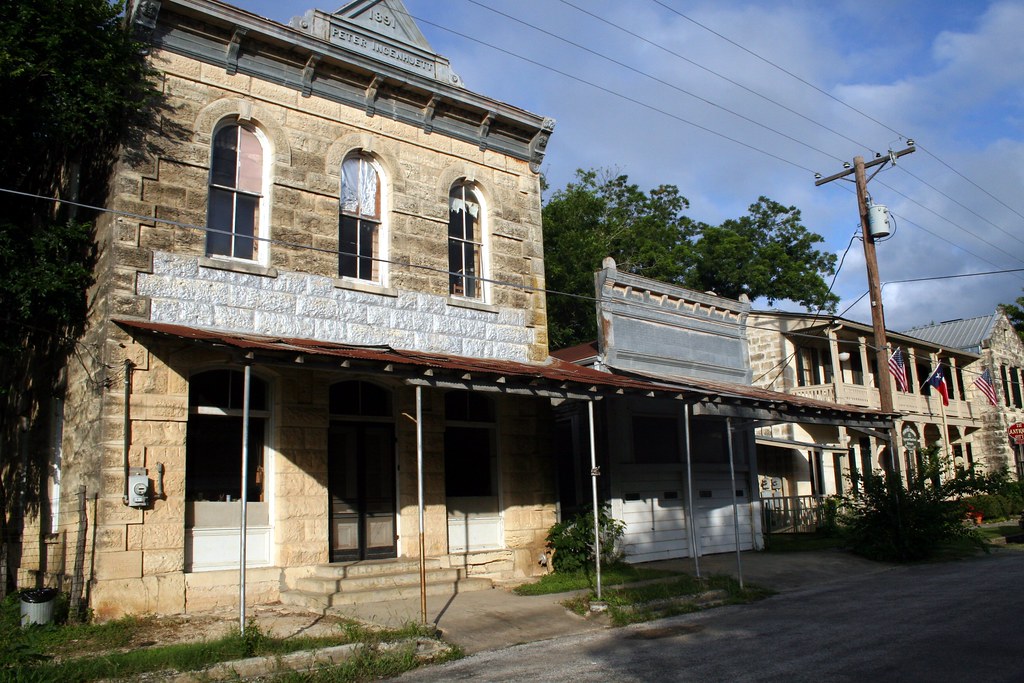
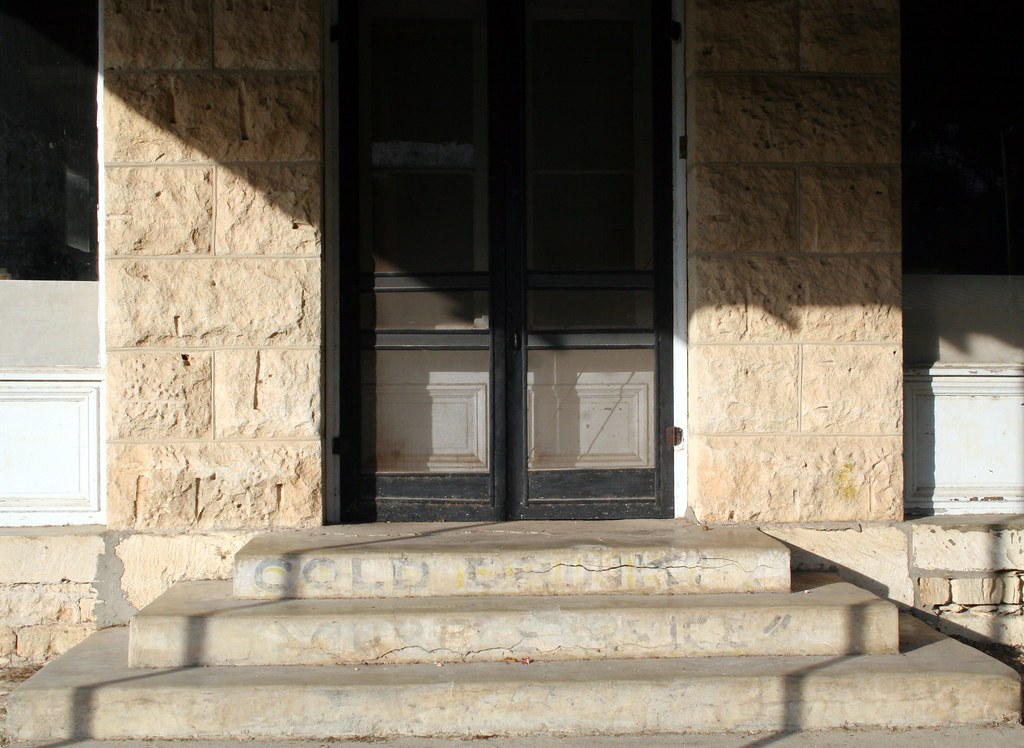
    Peter Ingenhuett Building (c. 1890)

    Steps of the Peter Ingenhuett Building - the top step says "COLD DRINKS," and the one below it says something about "SERVICE."

    I was touched by this:

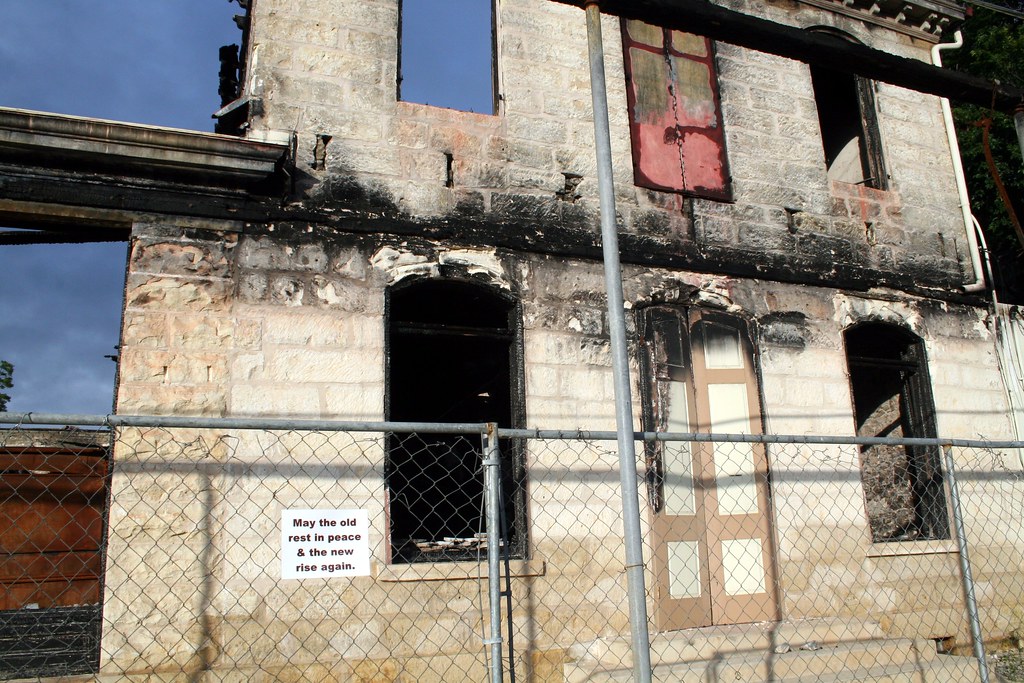
    The sign on the left read: "INGENHUETT STORE / 1867-2006 / (As we all knew it)." There was something about As we all knew it that got me. Maybe it was the use of parenthesis. The sign on the right read: "What happened? It burned. March 15, 2006 / 3:00 am." I wonder if any Comfort citizens are aware that it burned on the Ides of March. There probably are.

    Another sign: "May the old rest in peace & the new rise again." Amen, brother!

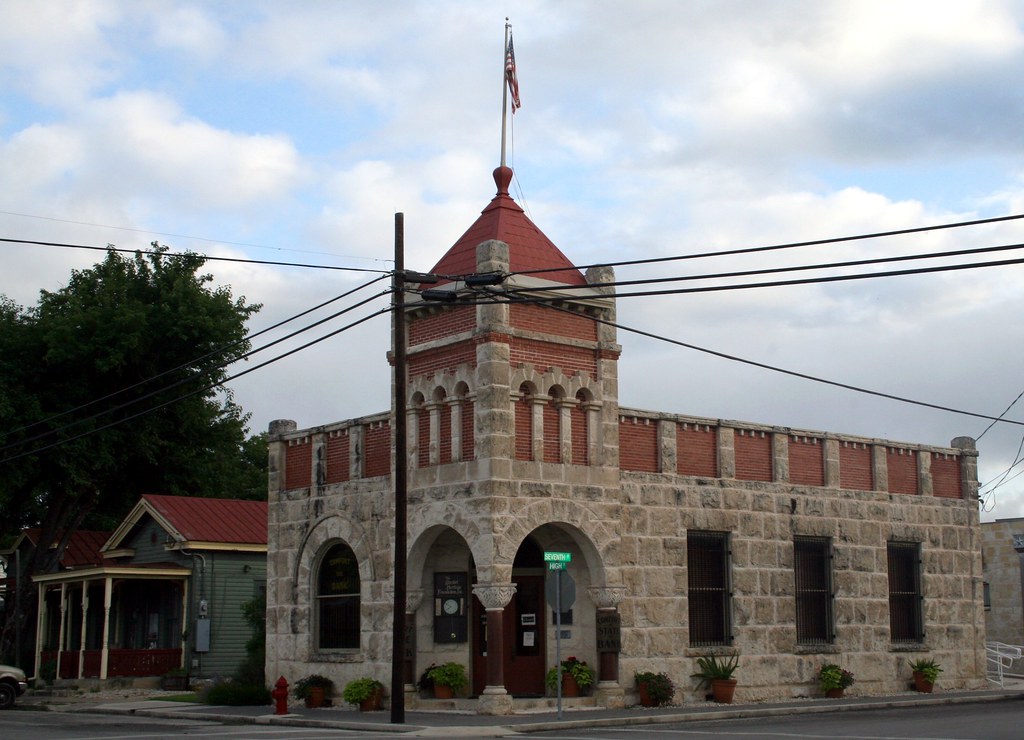
    The 1908 Bank Building

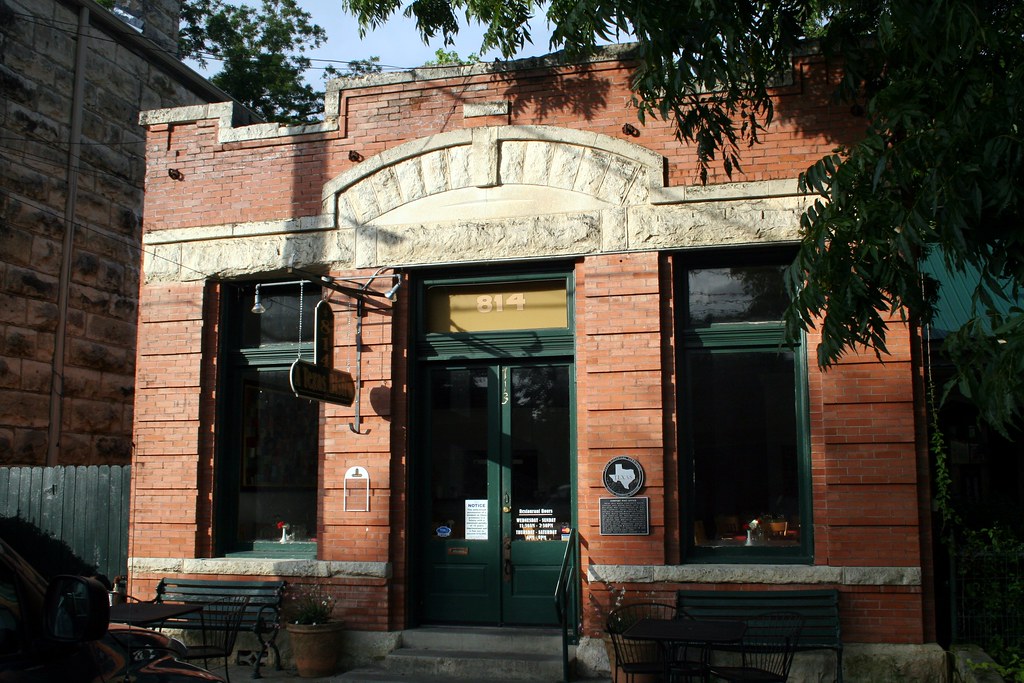
    The 1916 Arno Schwethelm Building

    The Gass Schmiede, c. 1890

    This one story brick designed by Alfred Giles for Paul Ingenhuett in 1910 to be used as a post office. It remained the Comfort Post Office until 1952.

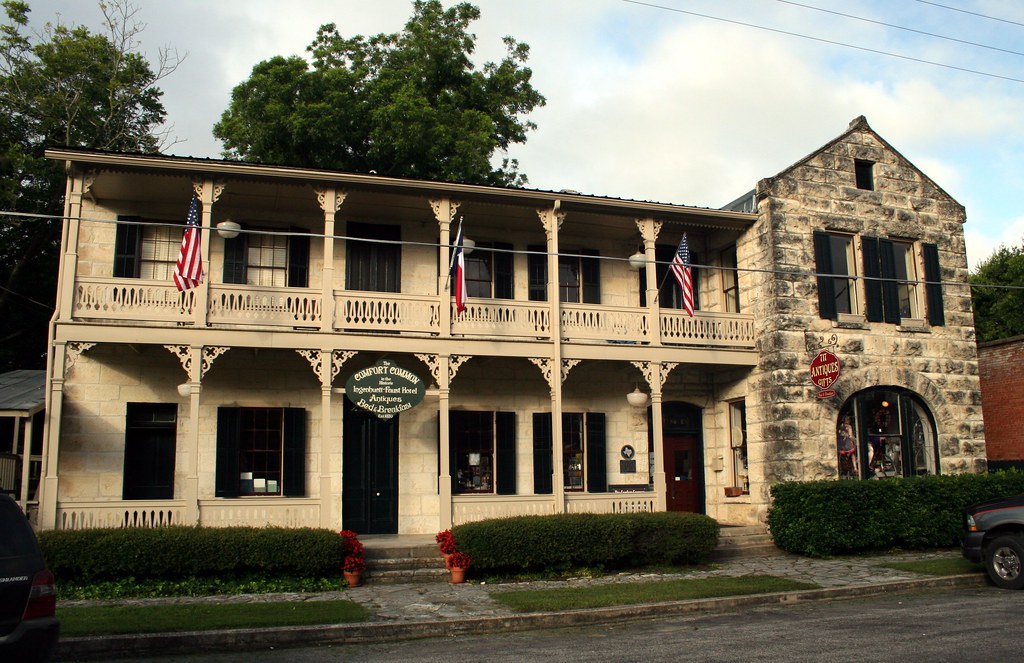
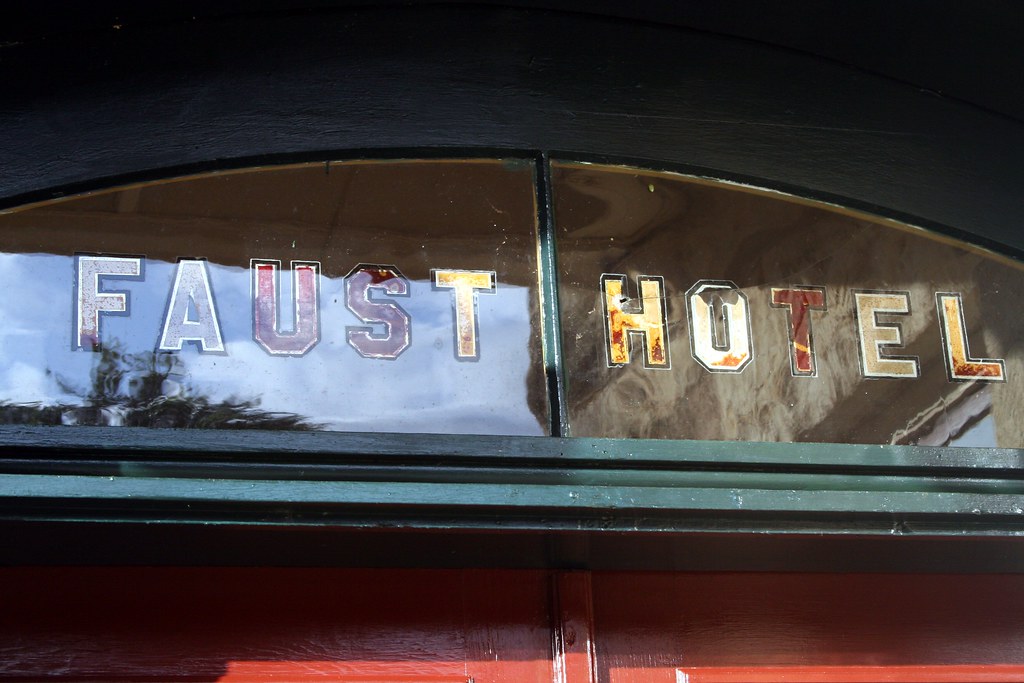
    The 1880 Ingenhuett-Faust Hotel - now a bed & breakfast


    July 16, 2007

    "Free As a Bird"

    From the Wikipedia entry:

    "Free as a Bird" was originally a piece of music that John Lennon composed, but never completed. The original Lennon recording was made circa 1977 in New York City. Yoko Ono gave a basic recording of the unfinished music to the remaining Beatles (Paul McCartney, George Harrison and Ringo Starr) who reunited to finalize and record the completed song.

    The Beatles' overdubs and production were recorded between February and March, 1994 in Sussex, England. According to interviews, the group treated the song as though Lennon had gone on holiday and had left the song for them to complete. The original demo had to be stretched and cleaned up, as Lennon's voice was notably shaky and slightly out of time.

    "This is the Beatles video with John only, the home recorded tape John made and the surviving Beatles took and overdubbed themselves onto for the official release. It tells you what they had to work with." (description from uploader ahcansee)
    Back to Wikipedia entry:

    The song features a classic Beatles arrangement, layered with drums, guitars (acoustic and electric), bass guitar, piano, and harmonized Beatle voices.

    It ends with a slightly psychedelic coda including a strummed ukulele (an instrument for which McCartney and Harrison have expressed fondness) and the backward voice
    (how Beatlesque!) of John Lennon. The message, when played backward, is "Turned out nice again", which was the catch-phrase of George Formby, whom Harrison and Lennon admired. This line has been noticed by many fans as it sounds like it's saying 'made by John Lennon'. Most fans believed this was intended to be the case, until it was revealed it was in fact simply the phrase 'Turned out nice again' being played backwards. According to McCartney, the result was unintentional and was discovered only after the surviving Beatles completed the single and reviewed the result.


    This page points out all the great Beatles' references peppered throughout.